
Your transmission is one of the hardest-working components in your vehicle, and when something goes wrong, the signs are hard to ignore. If you’ve been searching for “transmission repair near me” in the Rancho Santa Margarita area, the team at Bobby Grich Auto Repair is here to help you understand what your vehicle is trying to tell you. A healthy transmission ensures smooth gear changes, efficient power delivery, and a safe driving experience.
When it starts to fail, you may notice anything from strange sounds to delayed shifting. The good news is that catching these warning signs early can save you from a much bigger repair bill down the road. In this blog, we’ll walk you through six of the most common signs that it’s time to schedule transmission service, what causes these problems, and what you can do to protect your vehicle.
How Your Transmission Works and Why It Matters
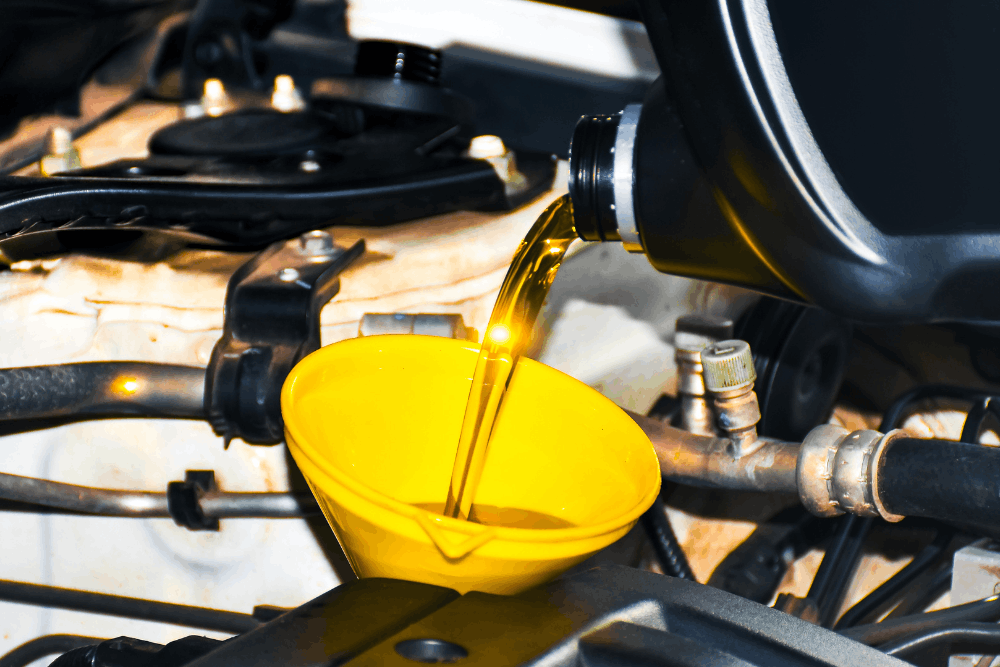
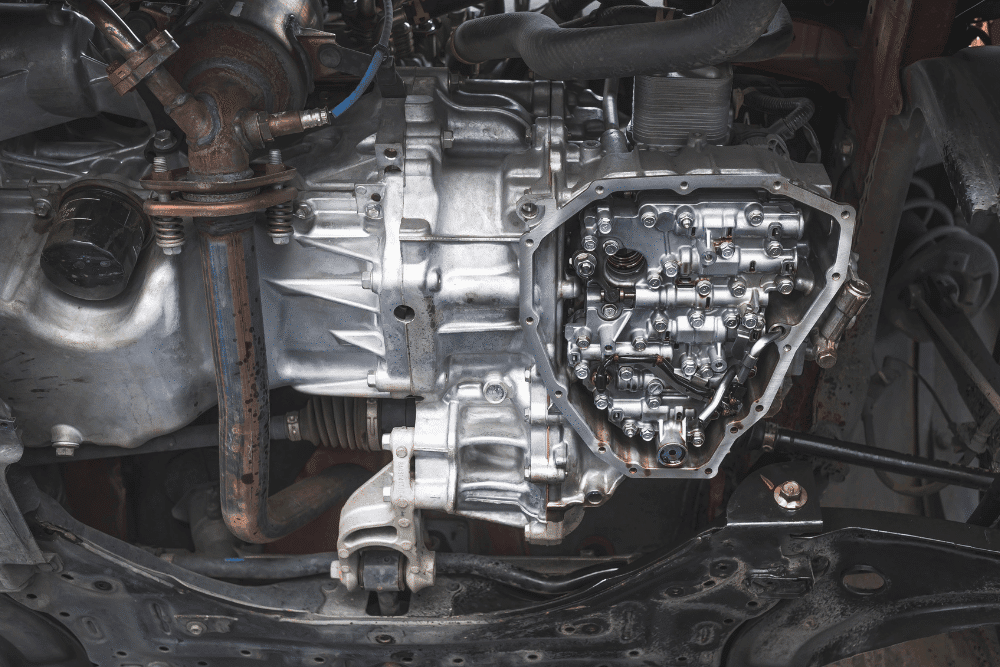
Your transmission controls how engine power reaches your wheels, using gears, fluid, and sensors to keep everything shifting smoothly. Transmission fluid is essential to this process, lubricating components, managing heat, and maintaining hydraulic pressure.
When fluid breaks down or runs low, stress builds and warning signs appear. For drivers in Rancho Santa Margarita, Ladera Ranch, and Rancho Mission Viejo, routine transmission service is one of the smartest investments you can make.
Six Signs Your Vehicle Needs Transmission Repair in Rancho Santa Margarita
Knowing what to look for can help you catch a transmission problem before it becomes a major breakdown. Here are six of the most common warning signs that your transmission needs attention.
1. Delayed or Rough Gear Shifts
In an automatic transmission, shifts should happen seamlessly without you even thinking about it. Watch for these red flags:
- A noticeable delay between pressing the accelerator and the vehicle actually moving forward
- A hard jolt or “clunk” when shifting from park to drive
- Rough, jerky transitions between gears while cruising
These symptoms often point to low transmission fluid, worn internal components, or a faulty solenoid. Don’t ignore this one. Rough shifting puts added stress on the entire drivetrain and can lead to more expensive repairs if left unchecked.
2. Slipping Gears
Gear slipping is when your transmission pops out of the gear it’s supposed to be in, or shifts unexpectedly without your input. Common symptoms include:
- The engine revs higher than normal without a matching increase in speed
- A sudden loss of power while driving, almost like you’re on ice with no traction
- Unexpected gear changes you didn’t initiate
This is not only frustrating, but it’s also genuinely dangerous. Worn clutch plates, low fluid levels, or internal mechanical wear can cause slipping gears. If your vehicle suddenly loses power while you’re driving through RSM or merging onto the freeway, it’s time to schedule transmission repair right away.
3. Unusual Noises
Your vehicle has a normal set of sounds you’re used to hearing every day. When new noises appear, pay attention. Sounds to listen for include:
- Whining or buzzing, especially in neutral
- Grinding during gear changes
- Clunking or humming while driving
These noises could mean worn bearings, damaged planetary gears, or contaminated transmission fluid. A grinding noise in an automatic transmission is especially concerning and usually means internal parts are wearing against each other. The sooner you have it inspected, the better your chances of avoiding a full transmission rebuild or replacement.
4. Leaking Transmission Fluid
Transmission fluid is typically reddish-brown in color and has a slightly sweet smell when it’s in good condition. Here’s what to know about leaks:
- Your transmission is a sealed system, so it shouldn’t lose fluid under normal conditions
- A puddle of red or dark brown fluid under your vehicle likely means a transmission leak
- Common leak sources include worn gaskets, cracked seals, and damaged cooler lines
- Even a small leak can lead to overheating and accelerated wear if the fluid level drops too low
Checking for leaks regularly is a simple habit that can save you from a costly transmission failure.
5. Burning Smell
A burning odor coming from under your hood is never a good sign. When it comes to your transmission, that smell usually means:
- The fluid is overheating or has degraded past its useful life
- Old, burnt fluid has lost its lubricating properties
- Friction and heat are building up inside the transmission, damaging clutch plates, bands, and other internal components
If you catch a burnt smell while driving around Mission Viejo or Coto de Caza, pull over when it’s safe and schedule an inspection as soon as possible.
If you’re noticing any of these warning signs, don’t wait for the problem to get worse. Contact Bobby Grich Auto Repair at 28622 Oso Pkwy Suite A, Rancho Santa Margarita, CA 92688, or call 949-709-8007 to schedule your transmission service today.
6. Check Engine Light or Dashboard Warnings
Modern vehicles are equipped with onboard diagnostics that monitor hundreds of systems, including your transmission. A check engine light can be triggered by:
- A faulty speed sensor or solenoid
- Transmission overheating
- Gear slippage or internal component failure
While the check engine light doesn’t always mean a transmission problem, it should never be ignored. A professional diagnostic inspection can pinpoint exactly what triggered the warning and whether your transmission needs attention.
Quick-Reference Guide: Transmission Warning Signs at a Glance
| Warning Sign | Possible Cause | Urgency Level |
|---|---|---|
| Delayed or rough shifts | Low fluid, worn solenoid | Moderate to High |
| Slipping gears | Worn clutch plates, low fluid | High |
| Unusual noises | Worn bearings, damaged gears | Moderate to High |
| Fluid leak | Cracked seal, damaged gasket | High |
| Burning smell | Overheating, degraded fluid | High |
| Check engine light | Sensor or solenoid fault | Moderate |
If you’re experiencing any of the issues listed above, especially those rated “High” urgency, don’t delay. The longer a transmission problem goes unaddressed, the more likely it is to cause additional damage and drive up your auto repair costs in RSM and the surrounding area.
What Causes Transmission Problems in the First Place
Understanding why transmissions fail can help you prevent issues before they start. Here are the most common causes:
- Low or degraded fluid: Transmission fluid breaks down over time, losing its ability to lubricate and cool. Skipping fluid changes is one of the fastest ways to shorten your transmission’s lifespan.
- Overheating: Excessive heat is the number one enemy of any transmission. Stop-and-go traffic, towing heavy loads, and degraded fluid all contribute to overheating.
- Worn internal components: Clutch plates, bands, bearings, and seals all wear out with age and use. Regular maintenance helps catch this wear before it leads to failure.
- Ignoring early symptoms: That small shudder or occasional delay might seem minor, but it’s your vehicle telling you something needs attention. Catching problems early is always cheaper than waiting.
For drivers in the Ladera Ranch, Dove Canyon, and Laguna Niguel communities, staying ahead of transmission maintenance is especially important if you rely on your vehicle for daily commutes and family transportation.
How Routine Transmission Service Protects Your Vehicle
Routine transmission service helps extend your transmission’s life and prevent costly repairs. A standard service includes draining and replacing old fluid, inspecting for leaks, and checking for internal wear.
Most manufacturers recommend a fluid change every 30,000 to 60,000 miles. Drivers in the Rancho Santa Margarita area who tow or sit in stop-and-go traffic may need service sooner. A transmission flush in Rancho Santa Margarita is far more affordable than a full rebuild.
Why Choose Bobby Grich Auto Repair for Transmission Repair
We opened our doors in Rancho Santa Margarita because this community deserves an auto repair shop that puts honesty and quality first. Co-founded with baseball legend Bobby Grich, our shop brings the same dedication to excellence off the field as Bobby brought on it. “Legends on the field, experts in the shop” isn’t just a slogan, it’s how we run our business every single day.
- Lifetime Warranty on Parts and Labor: We stand behind every repair with a lifetime warranty, giving you long-term peace of mind that’s hard to find anywhere else.
- ASE-Certified Technicians: Our team holds ASE certifications, so you can trust that trained, qualified professionals are working on your vehicle.
- TechNet Nationwide Warranty: As a TechNet member shop, your coverage travels with you no matter where you go in the country.
- Convenient Drop-Off Service: We know your time is valuable. Drop your vehicle off, and we’ll handle the rest. We also offer early bird drop-off and online payment for added convenience.
- Financing Options: We work with Affirm, Sunbit, and Klarna so you can get the transmission repair you need without financial stress.
- Transparent Digital Vehicle Inspections: We perform DVIs so you can see exactly what our technicians found, complete with photos, sent right to your phone or email.
FAQs About Transmission Repair in Rancho Santa Margarita
What are the signs of a bad transmission?
Common signs of a bad transmission include delayed or rough shifting, slipping gears, unusual whining or grinding noises, fluid leaks, and a burning smell from under the hood. If your check engine light comes on alongside any of these symptoms, have your vehicle inspected promptly to prevent further damage.
How much does transmission service cost?
A basic transmission fluid change typically costs between $150 and $250, while a full transmission flush can range from $165 to $400, depending on the vehicle. Major repairs or a full transmission replacement can cost anywhere from $1,800 to $7,000 or more, which is why catching problems early with routine service is so important.
Can driving with low transmission fluid cause damage?
Yes, driving with low transmission fluid can cause significant damage. Low fluid leads to increased friction, overheating, and accelerated wear on internal components like clutch plates and bearings. If left unaddressed, it can result in complete transmission failure, which is far more expensive to repair than a simple fluid top-off or service.
How often should transmission fluid be changed?
Most manufacturers recommend changing transmission fluid every 30,000 to 60,000 miles, though your owner’s manual will have the most accurate interval for your specific vehicle. Drivers who tow frequently, sit in heavy stop-and-go traffic, or drive in extreme heat may need to service their fluid more often to keep the transmission running smoothly.
What is the difference between a transmission fluid change and a flush?
A transmission fluid change drains a portion of the old fluid and replaces it with fresh fluid, while a flush removes all the old fluid from the entire system, including the torque converter and cooler lines. A flush is more thorough and typically costs more, but both services help keep your transmission lubricated and shifting properly.
Schedule Your Transmission Repair in Rancho Santa Margarita, CA Today
Ready to get your transmission checked by professionals who stand behind their work? Schedule your transmission repair & services today with the trusted team at Bobby Grich Auto Repair.
Visit us at 28622 Oso Pkwy Suite A, Rancho Santa Margarita, CA 92688, or call us at 949-709-8007 to book your appointment. Whether you need a routine fluid change or a more complex repair, we’ve got you covered with expert service, a lifetime warranty, and the honest care your vehicle deserves. We look forward to helping you stay safe on the road.